
What is Shibari?
Origins
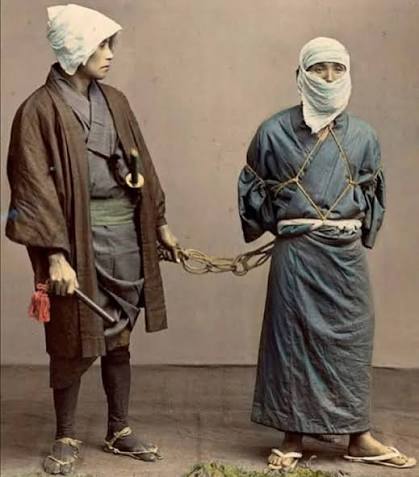
Shibari's roots trace back to Hojojutsu, a samurai martial art developed during Japan's Edo period (1603–1868). It was a practical, often brutal method used to restrain and transport prisoners. The specific ties used could even signal a prisoner's crime or social status. This was rope as control, not connection.
From Restraint to Art
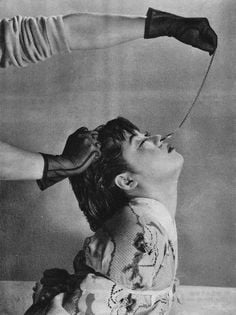
As Japan modernized and Hojojutsu's practical use faded, its techniques found new life on the Kabuki stage, reimagined for drama, then for beauty. Seiu Ito, often called the father of Kinbaku, began photographing and staging rope scenes in the early 20th century, shifting rope's purpose from punishment toward aesthetic and erotic expression. By the 1950s, kinbaku had a name, a visual language, and a growing following.
Kinbaku and Shibari
Kinbaku ("tight binding") carries the more traditional aesthetic: often erotic, highly charged, and painful, considered a hard kink. The ties build the scene, no matter how chaotic or intense that scene needs to be.
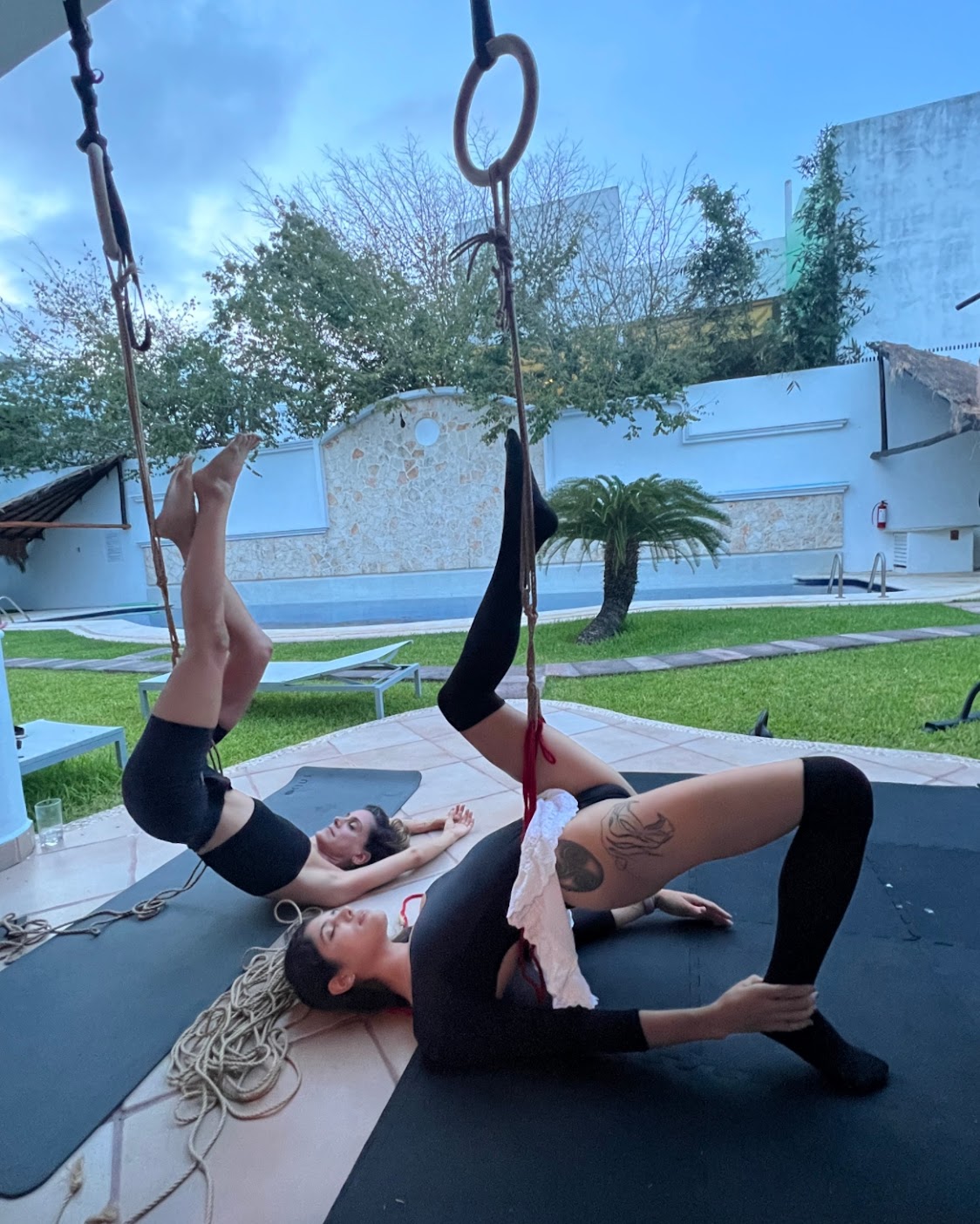
Shibari ("to bind") carries a more modern aesthetic: decorative patterns and suspension shapes. With less intensity, there is a slower pace for connection, surrender, and emotional release. The ties consider the body and the connection between the people in it, which is why elements of Tantra show up naturally in this practice.
Shibari Today
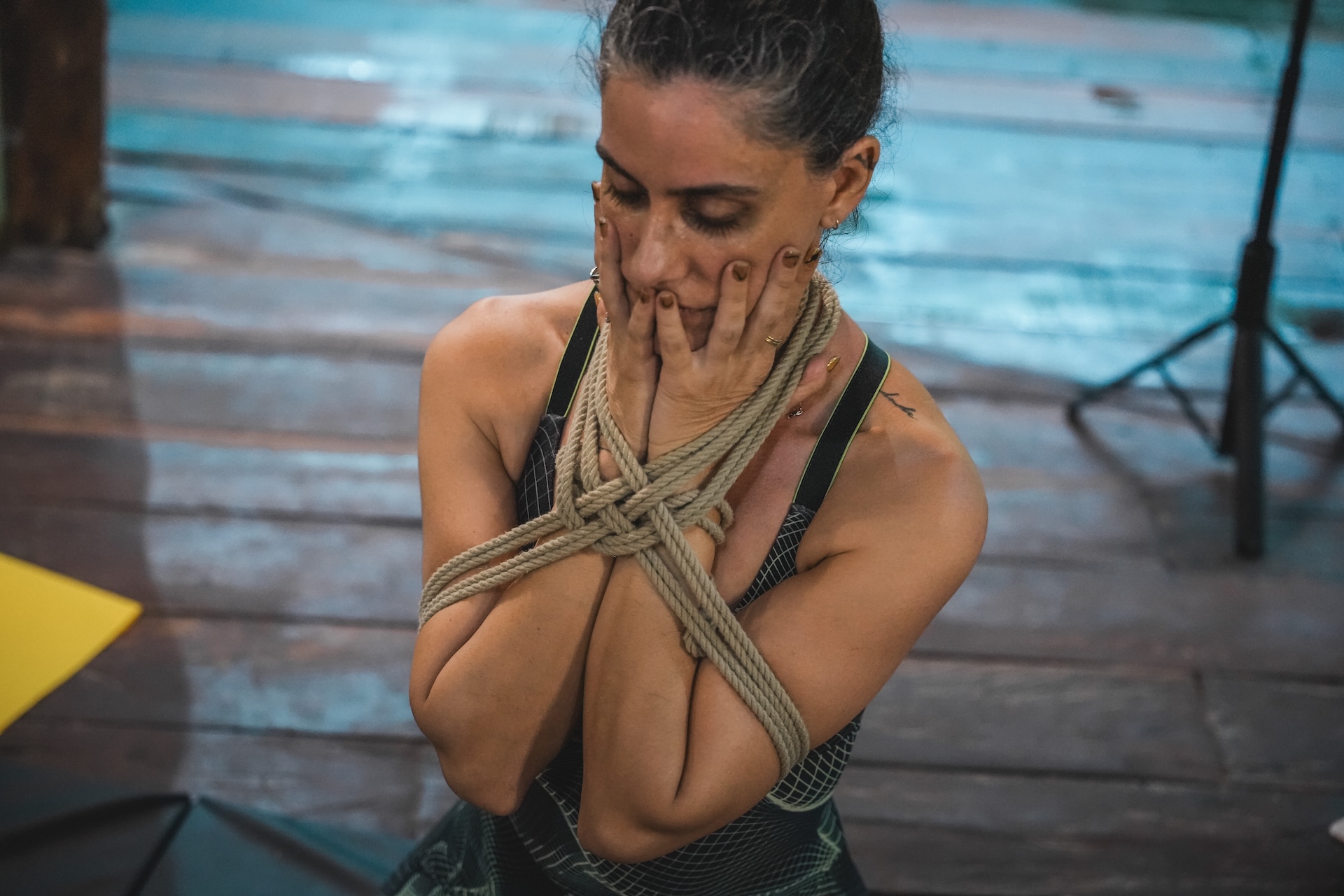
From the 1990s onward, Shibari spread globally, with Western practitioners developing their own styles alongside traditional Japanese forms. Today it's practiced as both an art form, with exhibitions and competitions in Japan, and a deeply personal practice of trust, sensation, and connection between rope top and bottom.
My own work draws on decorative, sensual, therapeutic, and suspension ties, styles that sit within this broader Shibari lineage.
Ready to experience it for yourself?
See Classes + Retreat →